Image

The Common Approach to Pollution is the UN system’s shared framework for bringing together the different mandates and expertise of UN organizations to prevent and reduce pollution in a more coordinated way.
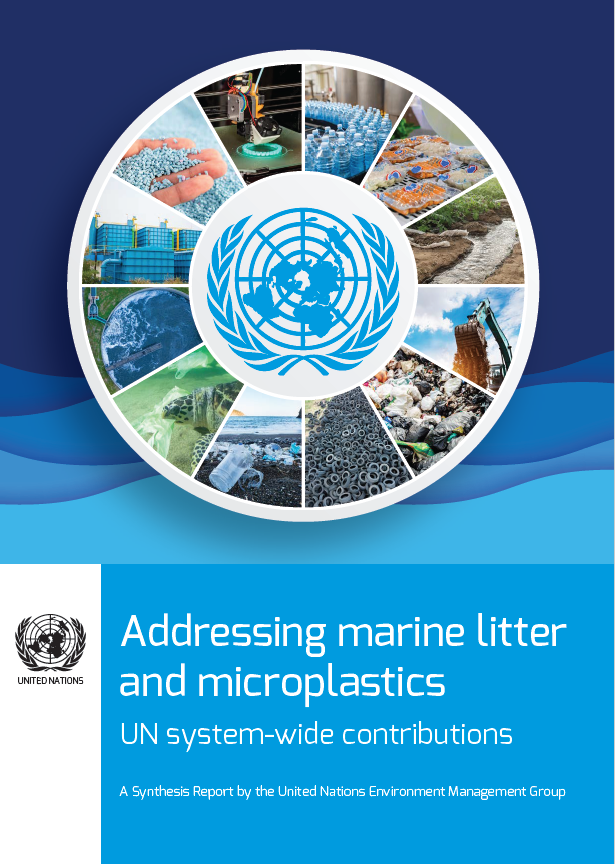
This report shows how the UN system tackles challenges presented by global plastic pollution, coordinating action to address it holistically and through action on the ground. Over 40 UN entities are supporting the Member States in reducing and addressing marine litter and microplastics.

This document presents key elements of a proposed Model Approach to Environmental and Social Standards for UN programming The Model Approach represents a key step in moving towards a common approach among UN entities for addressing environmental and social standards in programming.
The report signals the importance of sound chemicals management to the broader sustainable development agenda, showcases what has already been accomplished, and indicates how the UN system can further assist Member States in achieving sound chemicals management in the context of sustainable development.
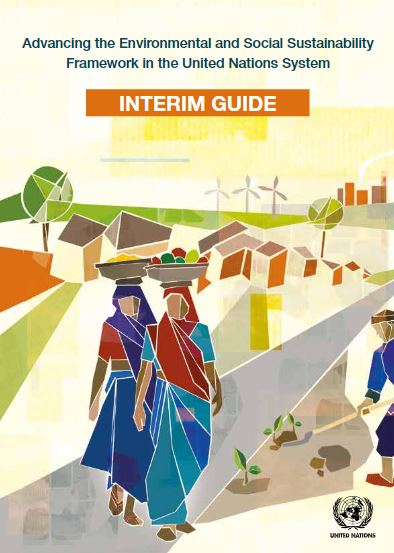
In 2012, Members of the UN Environment Management Group prepared a Framework for Advancing Environmental and Social Sustainability in the UN system at the policy, program and operational levels. This Interim Guide serves as a basic tool to help the UN entities to start implementing the Framework. Its specific objectives are to raise awareness about environmental and social sustainability measures that can be adopted at the individual entity level, and to sensitize staff about the implications of and options for applying them.
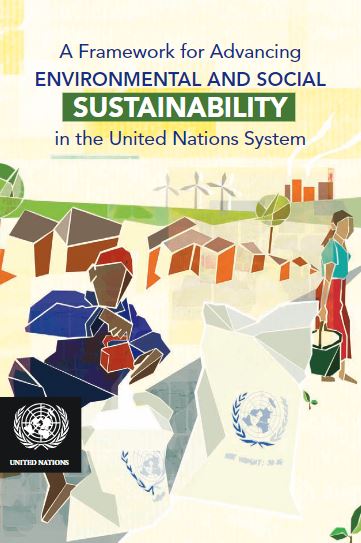
The Environmental and Social Sustainability Framework strives to carry the United Nations system beyond the typical safeguard measures of “do no harm” to identify ways to “do good”. In the spirit of One United Nations, the Framework takes a holistic view of the organization’s work from policy conception through programme implementation and internal operations management, providing a broader base of knowledge for smart decision-making. The initiative looks to build on the internationally agreed sustainability norms and principles by adapting the best practices of environmental and social assessment procedures and management systems to United Nations System activities.
This report is designed to start a discussion about how the UN might adapt to a changing environment and help to lead the world in sustainable development.
Peer reviewing refers to one or more of the agencies reviewing the environmental performance of fellow agencies’ facilities and internal operations. This brochure describes a typical peer review process, its benefits and peer reviewing experience to date.